Comphya, a Swiss medical device company, is developing the first implantable neurostimulator to treat erectile dysfunction (ED). The device, CaverSTIM, aims to replace current treatments such as intrapenile injections and penile implants that many patients with spinal cord injury (SCI) avoid. This is often due to the severe side effects, such as pain, discomfort, bleeding, hematoma, priapism, and penile fibrosis. A penile prosthesis is also the last therapeutic option as it is an irreversible.
Throughout 2022, Praxis Spinal Cord Institute has continued its work to improve quality of life for people living with spinal cord injury. In collaboration with researchers, clinical practitioners, and entrepreneurs, and under the mentorship of people with lived experience of SCI, we’ve partnered to bring solutions to the people who need it most.
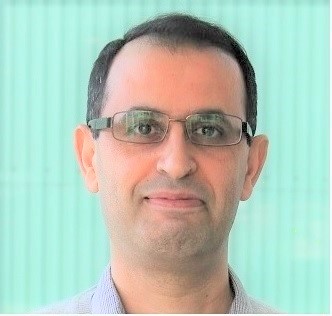
Meet Dr. Nader Fallah, who is the Associate Director of Artificial Intelligence (AI) Research here at Praxis. Nader develops tools that help ‘mine’ health data. Using AI and machine learning, Nader and his team are working on enhanced indicators and assessment guides for clinicians so they can give better care to their patients following a spinal cord injury. Nader recently celebrated ten years with Praxis this October.
Throughout 2022, Praxis Spinal Cord Institute has continued its work to improve quality of life for people living with spinal cord injury. In collaboration with researchers, clinical practitioners, and entrepreneurs, and under the mentorship of people with lived experience of SCI, we’ve partnered to bring solutions to the people who need it most.
The International Spinal Cord Society (ISCoS) recognizes September 5th as Spinal Cord Injury Day. In honor of this day, Praxis CEO Bill Barrable shares where Praxis stands on preparation and prevention.
Meet Adam Velenosi! He’s the Program Manager for the International Spinal Cord Injury Biobank (ISCIB) at Praxis. ISCIB is a repository for human spinal cord injury specimens and associated data, established by surgeon-scientist Dr. Brian Kwon of the University of British Columbia’s International Collaboration on Repair Discoveries (ICORD).