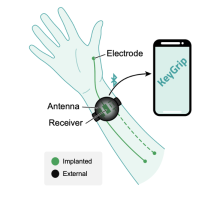
How direct engagement with users shaped KeyGrip’s path forward

For Megan Moynahan, a biomedical engineer and founder of KeyGrip, the goal was clear—develop an implantable device to restore hand function for people with cervical spinal cord injuries (SCI). The science was strong, and the need was well-documented. But one crucial question remained: How would potential users and surgeons actually perceive it?

Through the Praxis 2024 SCI Incubate Program, KeyGrip gained direct access to Persons with Lived Experience (PLEX) of SCI and regulatory experts. These conversations reshaped their messaging, reintroduced a product feature they had ruled out, and provided a clear roadmap for entering the Canadian market.

Hearing directly from users changed everything

KeyGrip’s initial assumption was that anyone with SCI seeking more independence would want to improve their hand function. But through focus groups with PLEX members, they uncovered a more complex reality—potential users had concerns about surgical risks, recovery time, and the fear of losing existing function.

Rather than just highlighting the benefits, KeyGrip needed to address fears head-on, ensuring their messaging reassured users and provided clear data on the long-term impact.


“We always knew people valued hand function—but hearing their concerns in their own words made us rethink how we communicate our solution.”

Bringing a feature back into the design

One of the most unexpected takeaways was how users viewed different control methods. Initially, KeyGrip had dismissed voice activation, assuming it wasn’t a priority. But user feedback challenged that assumption.

This insight put voice control back on the table, influencing upcoming development proposals.


“People may not want to talk to their hands in public, but I was really surprised that they are open to voice activation at home, making it a viable control method once again.”

A Clearer Regulatory Pathway for Canada

Beyond product and messaging refinements, Praxis helped KeyGrip navigate the Canadian regulatory landscape, an area they hadn’t initially prioritized. Through mentorship and expert connections, they developed a clear plan for clinical trials and approvals.

This new perspective expanded KeyGrip’s market strategy, ensuring they could plan for approvals in multiple regions early on.

Insights that will shape KeyGrip’s next steps

Unlike traditional incubators with a set curriculum, Praxis adapted to what FMRK needed—whether that was regulatory guidance, market validation, or direct feedback from Persons with SCI Lived Experience (PLEX).

The biggest shift for KeyGrip wasn’t just in strategy—it was in how they approached decision-making. Conversations with PLEX members provided real-world perspectives that no market research could replicate, while regulatory guidance gave Megan and her team the clarity they needed to move forward with confidence.


“Every time I have a stakeholder conversation; it improves my thinking in a positive way. It helps me make decisions faster, with more confidence.”

One of the most profound realizations was that building an innovative product isn’t just about function—it’s about trust. People with SCI valued their independence and were naturally cautious about interventions. The challenge wasn’t just demonstrating that KeyGrip could improve hand function—it was proving that it wouldn’t compromise
what users had already adapted to.

Rather than simply accelerating their development, the greatest impact of Praxis was helping KeyGrip make the right decisions at the right time. Whether through PLEX insights, regulatory guidance, or 1:1 expert mentorships, every step brought them closer to a product that truly meets the needs of both users and clinicians.


“We need to collect the right evidence, not just to prove our technology works, but to help people feel confident in making the decision.”

About KeyGrip

KeyGrip is a simple implanted stimulation system that provides lateral pinch to people with cervical spinal cord injury, enabling them to pick up and use small objects and giving them independence in eating, writing, and other activities of daily life. KeyGrip has 2-3 implantable electrodes that can be placed in an outpatient procedure to activate paralyzed muscles. Activation of the implant is achieved through externally placed components.

How FMRK Uncovered a Critical Gap in UTI Testing and Pivoted Fast
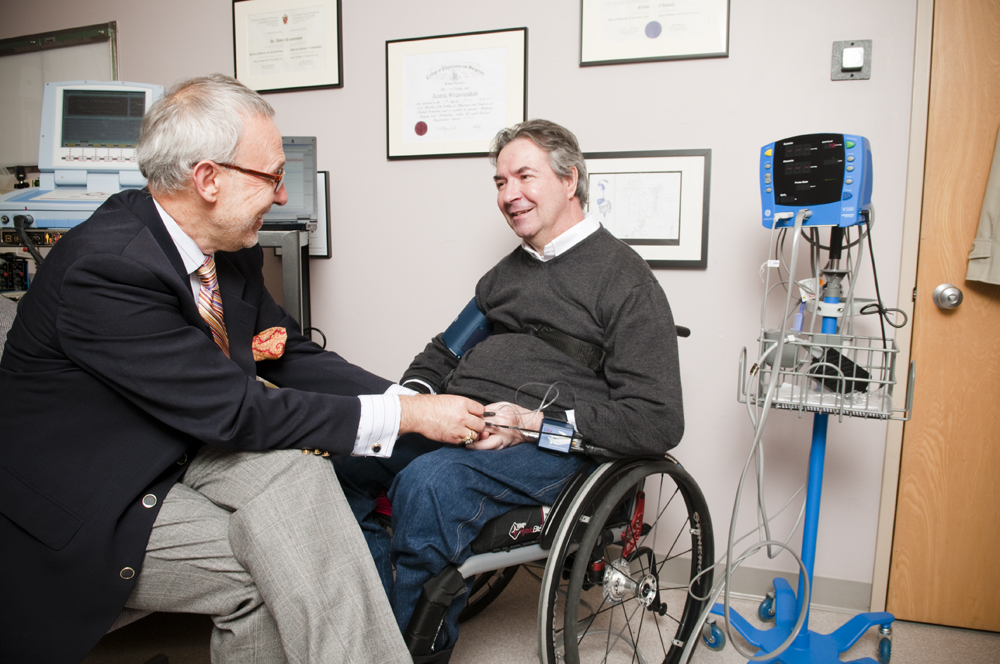
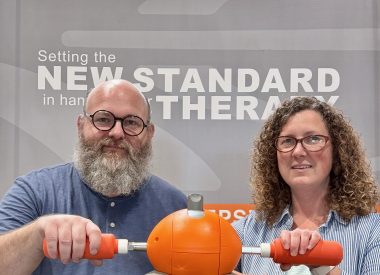

When Faisal Khan founded FMRK, he set out to reduce unnecessary antibiotic prescriptions for UTIs. However, a conversation with a Praxis alum introduced him to a critical unmet need—people with spinal cord injuries (SCI) face unique challenges with UTIs, yet existing solutions weren’t designed for them. This realization led FMRK to join the Praxis 2024 SCI Incubate Program, where they refined their product, validated their market, and made a key regulatory breakthrough that shaped their path forward.

Uncovering Real User Needs


“I knew there were issues with collecting urine samples, but I didn’t realize just how pronounced it was within the SCI community.”

Before Praxis, FMRK understood UTIs were a significant issue, but they hadn’t fully grasped the everyday challenges SCI individuals faced in managing them. Through the program’s focus groups, they engaged directly with People with SCI Lived Experience (PLEX)—a community
of individuals sharing firsthand knowledge of living with SCI. These conversations revealed major pain points, such as the difficulty of urine sample collection, an issue FMRK had initially underestimated.

This insight reshaped their product strategy, leading them to explore ways to simplify the collection process and ensure their technology was truly accessible.

Regulatory Breakthrough That Changed Everything


“That had a huge impact, it was monumental. Can’t really stress enough how big a shift that was to have a solid case… It changed our entire regulatory pathway—cost, time, everything.”

FMRK had assumed their device would be classified as a Class III medical device, requiring extensive time and resources to bring to market. But Praxis mentors helped them build a strong case for Class II classification, significantly reducing regulatory hurdles and accelerating their timeline. This shift reshaped their business strategy, impacting everything from fundraising to market entry.

Moving from Theory to Execution


Initially, Faisal planned to raise capital before advancing product design, but Praxis changed that approach.
“Instead of waiting to raise money, we decided to go straight into product development.”

Through validation with PLEX members and guidance from mentors, FMRK gained the confidence to move forward faster. By the end of the program, they had secured a partnership with UBC to begin product development—saving valuable time and pushing them closer to market launch.

Learnings from the Praxis Experience


Unlike traditional incubators with a set curriculum, Praxis adapted to what FMRK needed, whether that was regulatory guidance, market validation, or direct feedback from People with SCI Lived Experience (PLEX).
“Most programs just bring in industry leaders each week,” Faisal shared. “Praxis actually asked, ‘What do you need help with?’
and worked with us to solve those challenges.”

Engaging directly with PLEX members gave FMRK insights they wouldn’t have gained elsewhere. Instead of designing in isolation, they were able to test ideas, validate assumptions, and refine their product based on real user needs. This approach didn’t just improve their technology—it ensured their solution was practical, accessible, and valuable to the people it aimed to serve.

By the end of the program, FMRK had a clear strategy, an optimized product roadmap, and a faster path to market. More than anything, their experience reinforced a key lesson: success isn’t just about technology—it’s about understanding and designing for the people who will use it.

About FMRK


FMRK Diagnostic Technologies helps enable and advance decentralized healthcare through easy-to-use, near-patient diagnostic tests. Their flagship product delivers Personalized Early Intervention Recommendations (P.E.I.Rs) to patients with suspected Urinary Tract
Infections (UTIs) in community settings like Pharmacies and Long Term Care Facilities—without the need to see a doctor or go to a central lab. In short: precision medicine closer to home.
Understanding the experiences of persons affected by pressure injuries. A knowledge creation and consensus-building activity

Bridging the gap between discovery and practical application is a persistent challenge in research, especially when addressing complex health issues like pressure injuries. A new CIHR-funded study brings together persons affected by PI, caregivers, researchers, healthcare providers, and other stakeholders in a collaborative network. The goal is to build consensus around lived experiences, identify key challenges and prioritize strategies that can meaningfully improve prevention, management and overall health outcomes related to pressure injuries.


The team conducted 17 interviews and focus groups with people living with pressure injuries, this also included individuals with a spinal cord injury (SCI). Dr. Sharon Gabison, Principal Investigator of this study says, "there were challenges across the persona, interpersonal, organizational, and policy levels, including limited equipment access and inconsistent staffing, but also strong family support and proactive prevention practices. By surveying people with lived experience of pressure injuries and other health problems, we will be able to determine what the most urgent research and intervention priorities are."


Why It Matters


Pressure injuries can be life-threatening even for people with SCI. One example is Sepsis from pressure wounds, which continues to be a leading cause of death in Canada, despite hospital-acquired pressure injuries being labelled as "never events" in Canada.

“The conflict is clear: we know pressure injuries are deadly, yet as a system we haven’t ‘moved the needle’ in reducing them. This project aims to bridge that gap by highlighting what matters most to the people who live with and manage these injuries every day,” says Spring Hawes, Regional PLEX Engagement Liaison, Praxis. As part of this project, Spring contributed lived experience insights, helped design interview questions, and supported the development of the questionnaire.

More than just data, the project has fostered new networks of collaboration across Canada, patients, caregivers, clinicians, and researchers coming together. It has sparked conversations about why good practices aren’t universally adopted, where system breakdowns occur, and how communities can learn from what works well in certain regions.

As the next steps, the data from the survey will be reviewed by the group early next year defining consensus regarding pressure injury prevention and management. As a result, the team will shape the next phase of research, interventions, and policy advocacy.


click here to participate in the study


Praxis is pleased to support this project by bringing in the perspective of people living with spinal cord injuries, helping with knowledge translation, and committing to sharing findings more broadly.

In conversation with Praxis SCI Accelerate Cohort Member, Karma Medical (FEPSim)


About Karma Medical, one of the start-ups in the SCI Accelerate Program 2024 cohort: From a manufacturing business to MedTech innovator – How Karma Medical is changing rehabilitation technology with FEPSim

Based out of Edmonton in Canada, pair of shorts, Melissa and Darryl Short started with a general manufacturing business. The desire to diversify led them to the MedTech industry by initially developing rehab tools for stroke survivors at the Glenrose Hospital.

Things took a personal turn when the co-founders saw close family members sustaining life-altering injuries. Melissa’s brother, who lives with cerebral palsy, lost his fingers in an accident and started using Karma Medical’s early prototypes. Darryl’s brother sustained a spinal cord injury.

“We wanted to holistically try and help patients with a novel product and innovation. But it turns out we’re actually helping our family and more patients. We get to help more people. And by having family members engaged in the technology, it really helps with the success of transferring that to other patients.”


With this realization, they formed their start-up, Karma Medical Products and their flagship product, FEPSim, a hand and upper extremity rehab tool to support strength, function and independence for a dozen conditions.

Joining the Praxis SCI Accelerate Program in 2023


By 2023, FEPSim had gained traction, but to scale commercially, they were looking for guidance on business strategy and end-user feedback. That’s when they decided to join the Praxis SCI Accelerate Program with clear goals:

  • Identify their target market – patients, therapists, clinics or distributors

  • Commercial validation of the digital version of FEPSim

  • Explore regulatory and reimbursement pathways.


What they got out of the Praxis Program


The co-leads at Karma Medical Products found access to KOLs and the insights from the Praxis external focus groups and the weekly mentorship session with the Research and PLEX (person with lived experience of SCI) advisors extremely useful:

  • They learnt how to effectively engage end-users to collect meaningful feedback

  • Understood how different SCI classifications can affect product usability

  • Investigated how to improve long-term usability and how people with SCI would use rehab tools at home with specialized add-ons.

  • Accessed resources on to understand the limits of their device’s potential reimbursement

  • Conducted in-person user-testing of the digital prototype of FEPSim.


“The focus group helped us dig down a little deeper and understand how our product can serve people with SCI. It made us think differently about how we should focus on people with SCI and the different attachments or movements that they could use with the FEPSim itself.”


With momentum on their side, Karma Medical is now exploring funding opportunities, expanding their team and preparing to scale to clinics across North America. They are rooted in lived experience and driven by a mission to improve independence and recovery for people with SCI and other mobility challenges. Karma’s commitment to improving the lives of people with SCI has continued with its participation in Praxis’ SCI Adopt that funded pilots that successfully validated the functional improvements for 4 people with SCI and cost-saving for its use at the Brenda Stafford Centre & Glenrose Rehabilitation Hospital.

About the Praxis SCI Accelerate Program:


The Praxis Spinal Cord Institute’s Accelerate Program is a six-month Program geared towards prototype-stage projects with innovation to transform the lives of people with spinal cord injury (SCI). The Program provides targeted end-user product validation, research, mentorship support, tailored mentorship, expert guidance, and access to their commercialization network.

In conversation with Praxis SCI Incubate Cohort Member, smartARM


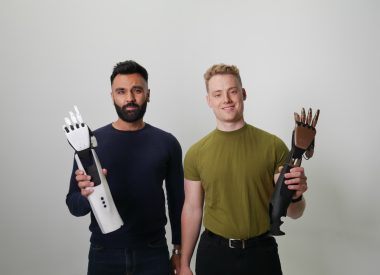
About smartARM Robotics, one of the start-ups in the SCI Incubate Program 2024 cohort: smartARM, a Toronto-based start-up co-founded by Evan Neff and Hamayal Choudhary, is an innovative start-up developing an AI-powered prosthetic arm. Their flagship device features a camera embedded in the palm to allow the arm to interpret visual cues and adapt grip functionality – enhancing the user’s ability to interact with the physical world. Evan Neff from smartARM participated in a post-program interview by the Praxis team, reflecting on the start-up’s journey, learning experiences and key takeaways from the Praxis SCI Incubate Program.

A vision for smarter prosthetics:


Evan’s interest in the human body sparked as he grew up playing sports and experiencing injuries. His interest deepened further when he saw a family member getting diagnosed with a rare form of degenerative arthritis. This led Evan to pursue MedTech engineering to help individuals recover their bodily functions.

In 2020, he met his co-founder, Hamayal Choudhary, who had been developing the concept for smartARM for a couple of years before meeting him. Their start-up, smartARM, was born out of a simple yet bold question: What if prosthetics could learn, adapt and give people true independence seamlessly?

Why smartARM joined the Praxis Incubate Program:


In April 2024, smartARM joined the Praxis Incubate Program. From the program onset, the team was clear on their goals:

  • Market validation: Market exploration and end-user feedback for feasibility and alignment of their device with the needs of the SCI community.

  • Clinical expertise: Ensure clinical standards and functional relevance.

  • Networking and resources: Access to industry experts, mentors and commercialization experts to scale their solution.


Through the Praxis SCI Incubate Program, smartARM benefitted from the tailored support:

  • User-centric design guidance from clinicians and researchers.

  • End-user feedback from the SCI community through weekly mentorship sessions and focus groups.

  • Connections with healthcare and commercialization experts.


With this guidance, smartARM began designing for wearability (easy to don and doff), daily usability, and therapeutic benefits (aid in rehabilitation).

Building for the future:


Initially focused on upper-arm prosthetic devices, smartARM’s mission has expanded to include exoskeletal devices and rehabilitation tools, offering hope to people with spinal cord injuries and beyond. With their vision to make assistive devices functional, accessible and user-friendly, the team aims to improve both the quality of life and the therapeutic outcomes for their users. Their journey reflects a commitment to innovation and the inclusion of the end-user perspectives in every stage of their product development and reach the markets faster.ly on. One that helps build a truly robust roadmap.” 

About the Praxis SCI Incubate Program:


The Praxis Spinal Cord Institute’s Incubate Program is a four-month Program geared towards prototype stage projects with innovation to transform the lives of people with spinal cord injury (SCI). The Program provides targeted end-user product validation, research, mentorship support, tailored mentorship, expert guidance, and access to their commercialization network.


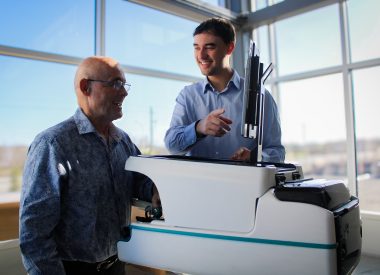
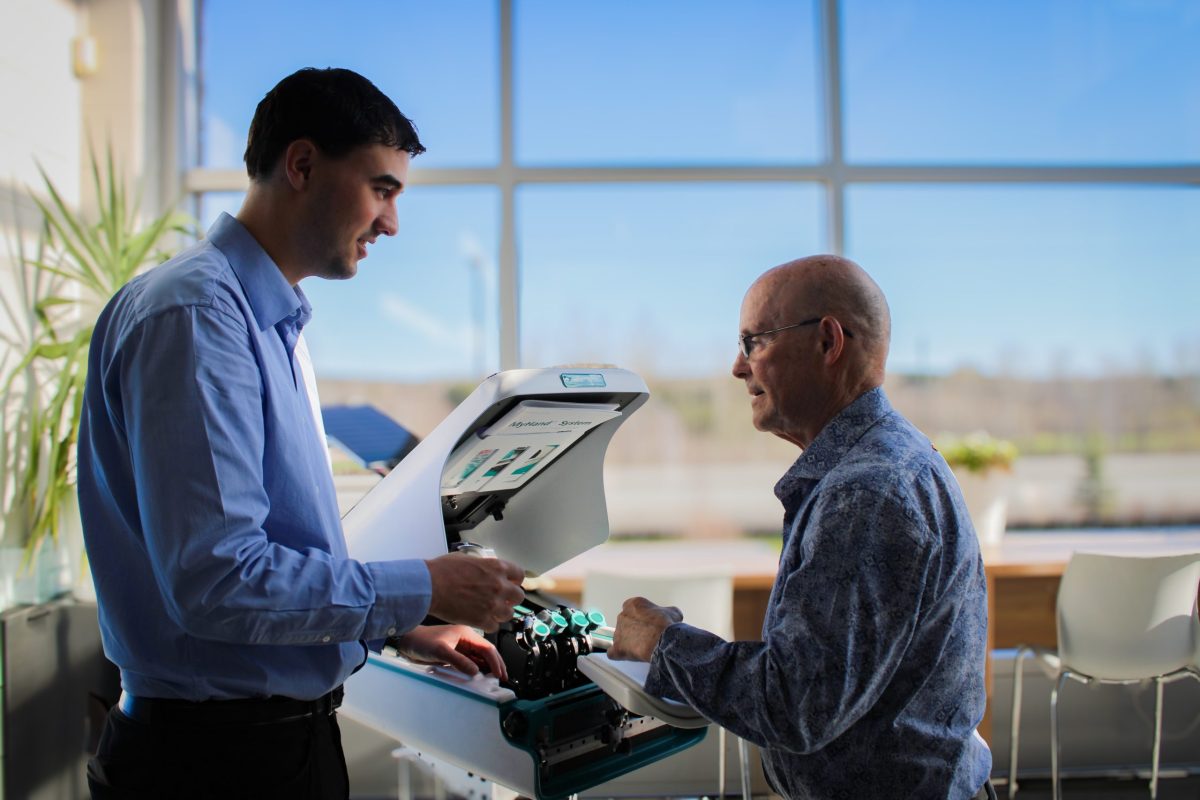
When the team at IRegained first created the MyHand® System, their goal was clear: help people regain lost hand function after a stroke or traumatic brain injury. The digital therapy platform uses targeted, personalized exercises and interactive games to support hand recovery through neuroplasticity, which is the brain’s inherent ability to reprogram its neural pathways and relearn.

The innovation showed early promise, and its potential expanded significantly after a meeting with Praxis, where the IRegained team was introduced to how the MyHand® System could benefit the spinal cord injury (SCI) community. Recognizing this untapped opportunity, Praxis supported IRegained through its inaugural SCI Adopt program following a thorough evaluation process and began working closely with the team to adapt the system for people living with SCI. More than just a funding partner, Praxis offered access to a community of clinicians, people with lived experience, and neurorehabilitation specialists who helped shape the product’s evolution in real-time.

“We originally focused on stroke because that’s where the main target population, funding and research were,” says Samir Sahoo, Chief Operating Officer, IRegained. “Praxis expanded our vision. They helped us see a real, unmet need in the SCI community, and they gave us the tools and connections to do something about it.”

One of the most important early insights came from user experience. The team had built the system for one-hand impairment, as this is common for people who have had a stroke. After meeting SCI users with bilateral hand impairments, the IRegained team quickly learned that their technology needed to adapt to have a greater impact. “It seems so simple now,” adds Eric Dumais, Deputy Director, Clinical Operations, IRegained. “Designing for both hands changed everything. The feedback from Praxis made the system more accessible, inclusive, and ultimately more effective.”

As part of the program, Praxis funded the deployment of MyHand® at Walk-It-Off Neuro-Recovery and Wellness Centre, a rehabilitation clinic in Newmarket, Ontario. Over a three-month pilot, five individuals living with SCI used the MyHand® System, and the results were both encouraging and moving. Patients reported increased grip strength and functional improvements. Even more powerfully, they described regaining a sense of independence in their daily lives.


“We are very thankful to Praxis for generously funding a MyHand® System for Walk It Off. Clinicians enjoy it and find it intuitive to use with patients, while patients who use it find it fun and engaging.”


– K., RKin at Walk-It-Off.


“We previously met someone with a C4-C5 injury who had very limited hand function,” Dumais adds. “Seeing even small gains in their ability to interact with the world, it was emotional. That’s when we knew we were on the right path.”

Working with Praxis’ Dr. Vanessa Noonan and the persons with lived experience team, IRegained identified a cost-effective and meaningful way to measure outcomes. Grip strength, user feedback, and simple questionnaires replaced more expensive and time-consuming clinical assessments, ensuring valuable insights were compiled without overwhelming clinics.

Praxis also played a key role in supporting a health economics analysis, providing data on quality-adjusted life years, standards of care, and policy trends. With this foundation, IRegained built a compelling case: their device could offer equal or better clinical outcomes than current approaches, at a lower long-term cost. Early data suggests potential savings of around $160 per patient per year, along with reduced burden on clinicians, and even potentially reduced reliance on caregivers.


“There’s a clear benefit to using our technology,” Sahoo says. “The question is, if not MyHand®, then what? Clinics are often left with tools that don’t make a meaningful difference. MyHand® offers the potential for real gains in function and overall quality of life.”


Looking ahead, IRegained’s goal is to expand access and adoption, it is currently available at three locations in Canada and four in the US. “Everyone who uses the device wants to keep using it. It’s our mission to bring this technology to more people, more clinics, and more communities,” says Sahoo.

Both Sahoo and Dumais credit Praxis for the critical role it has played in IRegained’s journey. “No other organization does what Praxis does, connecting companies like ours with the networks and people we want our product to impact. Without the support of Praxis, MyHand® wouldn’t be where it is today. And neither would we,” says Dumais.


IRegained received support from Praxis as part of the inaugural SCI Adopt program, an initiative designed to advance innovative solutions in spinal cord injury care.


The Challenge: Addressing Wound Care Gaps for People with SCI 


After completing her PhD, Dr. Shivani Gupta began her fellowship in medical innovations, where she came across a critical yet often overlooked challenge —non-healing wounds in people with spinal cord injuries (SCI). Through her work during Biodesign Fellowship at School of International Biodesign, AIIMS New Delhi, she saw firsthand how chronic wounds like pressure sores could worsen long-term health outcomes. This sparked the idea for Inochi Care, a startup focused on developing innovative wound care solutions. 

While Inochi’s technology was promising, key gaps remained in understanding usability in specific use cases like people living with SCI. How could the device better integrate into users’ daily lives? What did people with lived experience of SCI truly need from a wound care device? And how could Inochi strengthen its commercialization strategy to scale beyond its initial market traction in India? 

That’s where the Praxis SCI Innovation Incubate Program came in. 

Uncovering Critical Insights: Beyond Clinicians to Persons with lived Experience 


For Shivani, one of the most transformative aspects of the Praxis program was engaging directly with individuals living with an SCI. . 

“Before the program, we thought mostly from the perspective of healthcare providers and caretakers,” she reflects. “But through Praxis, we realized we needed to understand the daily realities of the people who would be using the product.” 

A pivotal moment came when someone in the PLEX (Persons with lived Experience) community asked:  

Can this device fit onto my wheelchair?” 

This simple yet powerful question led Inochi to reimagine how their product could seamlessly integrate into the lives of wheelchair users. The team explored different attachment mechanisms—mounting the device under a wheelchair, securing it to the armrest, and testing various support systems. 

Refining the Product & Business Model 


The program’s structured approach, balancing research, user insights, and commercialization, was a game-changer for Inochi. 

“The biggest learning was keeping three key areas—lived experience validation, clinical validation, and business strategy—running in parallel, without confusing one milestone with another,” Shivani explains. 

Key changes Inochi implemented: 

Product Adaptations: Instead of a one-size-fits-all device, Inochi developed different product versions with small usability tweaks to fit various healthcare settings—hospitals, home care, and now, wheelchairs. 

Sales Pipeline & Commercialization Strategy: The program helped Inochi build a clear, actionable roadmap for financial sustainability. “We now know how to project our sales pipeline for the next year and what it takes to reach break-even,” Shivani shares. 

Lasting Impact: A Stronger, More Scalable Business 


Since completing the Praxis SCI Incubate Program, Inochi has significantly scaled its operations. The company’s revenue has grown multifold since January, and it has successfully brought on board a number of new customers. 

But beyond financial growth, Inochi now has a sharper, more user-driven product strategy. “We no longer have to second-guess whether to prioritize further validation or launch a product,” says Shivani. “We know what needs emphasis at different stages.” 

“I have already been telling other assistive technology founders about this program,” she says. “It gives you a long-term perspective early on. One that helps build a truly robust roadmap.” 

About Inochi Care 


Inochi Care is a health tech start up developing innovative solutions for wound care and management. Inochi Care focus on wound care products that are designed and engineered for scale and adoption across healthcare sectors and different markets. The technology development is inspired by “patient needs” as well as “healthcare provider needs”. With their mission to “Healing the Non healing wounds”, the first range of products are developed for accelerated healing of non-healing wounds including pressure ulcers. InoHeal is a multi-therapeutic technology to create and maintain optimum wound healing environment at the wound site using biophysical stimulation. Their goal is to reduce patient’s pain and suffering, decrease daily loss of productivity, cut down the financial burden that results from non-healing wounds.
Praxis Spinal Cord Institute is excited to announce the cohort of Praxis SCI Incubate, a four-month program geared towards prototype stage projects with an innovation to transform the lives of people living with SCI. The program provides targeted persons with lived experience (PLEX) and research validation and mentorship, as well as access to our commercialization network.We’re thrilled to welcome DeCell Technologies, GraspAgain, NeuroHagana (translating to “NeuroDefense”) and Tarkka to the program. These innovative startups are dedicated to enhancing care and cure treatments for people with spinal cord injury (SCI), improving quality of life. Throughout the program, they will receive mentorship and networking opportunities to support their growth.


DeCell Technologies is a Canadian regenerative medicine company developing innovative biomaterials to treat chronic and complex wounds. Their flagship product, DermGEN™, is a human-derived decellularized matrix engineered to accelerate healing in wounds that fail to respond to standard care, including diabetic foot ulcers, burns, and pressure injuries. Unlike traditional grafts, DermGEN™ is gently processed to preserve the tissue’s natural regenerative properties without high-energy sterilization—resulting in a biologically active matrix that supports faster tissue repair and reduces complications. Already in use across multiple Canadian healthcare settings, DermGEN™ is transforming outcomes for clinicians and patients by offering an easy-to-use, effective, and accessible advanced wound care solution.



Visit their website


NeuroHagana translating to “NeuroDefense”, is an innovative biotech company founded on the pioneering research of Dr. Angela Ruban at Tel Aviv University in Israel. They are developing a first-in-class, injectable neuroprotective treatment designed for immediate and simple administration following any type of neurotrauma, regardless of severity. Their solution aims to minimize neurological damage, prevent long-term disabilities, and significantly improve patient outcomes, addressing one of the most critical gaps in emergency medicine.Visit their website


GraspAgain aims to restore hand function in people with neuromuscular impairments through an intelligent neuroorthosis. The system comprises two main components: a non-invasive brain-machine interface and advanced mechatronics. The brain-machine interface utilizes artificial intelligence to decode biosignals measured from the forearm muscles of the paralyzed hand, accurately interpreting the intended movement. This decoded intention is then mapped to the actuation unit of the orthosis, which executes the corresponding movement. To facilitate daily use, the neuroorthosis consists of two parts: a lightweight hand module and a separate actuation unit. The hand module weighs only 100 grams and fits over the paralyzed hand, while the actuation unit can be easily attached or detached via a smart coupling mechanism as needed. The control system is cable-driven and anatomically inspired; similar to muscles, the motors pull and release “tendons” to generate mechanical movement. Their interdisciplinary team, with extensive expertise, is confident that GraspAgain represents a revolutionary product that will empower people with hand impairments to lead more independent lives.Visit their website


Tarkka Manufacturing Solutions Inc. is a Canadian medical device company redefining wheelchair seating with the Tetrx™ System — a patent-pending, modular platform made from recyclable carbon fibre. Designed to be individually custom contoured at the point of care- Tetrx™.Visit their website

REQUEST FOR PROPOSAL (RFP) FOR SPINAL CORD INJURY (SCI) ADOPT

October 1, 2025 to April 15, 2026


1. General Information


a. Purpose.


This request for proposal (RFP) is for services and/or deliverables to be provided to the Praxis Spinal Cord Institute (“Praxis”) for SCI Adopt for the period of October 1, 2025, to April 15, 2026. This RFP is intended to support the early adoption of transformative health technologies in community care and/or clinical settings to validate the health outcomes improvements for people living with spinal cord injury (SCI) for use by individuals.


The RFP is intended to support the adoption of health technology that is market-ready, has commercial viability, and demonstrates improved health outcomes for people with SCI. The health technology must have received Health Canada approval or equivalent. Proposals that support the adoption of health technologies that have received Health Canada approval, or equivalent, to enter the Canadian market within the past 5 years (since January 1, 2020) will be given priority.


b. Who May Respond.

 
  1. Canadian start-up who are developing a health technology (TRL 8-9) that has evidence-based applications for individuals with an SCI;
  2. Clinical sites (Clinics, clinicians, non-profit organizations, or hospitals) in Canada looking to adopt a relevant health technology to enhance its SCI care;
  3. Joint proposals from a Canadian start-up and a clinical site in Canada will be prioritized.

Praxis encourages proposals from under-represented groups, including women, Indigenous Peoples, people with disabilities, people who are part of 2SLGBTQI+ communities, religious minority groups and racialized people, neurodiverse individuals, and others who may contribute to the further diversification of ideas.


Please note that organizations or companies that have previously received investment from Praxis are not eligible to apply for this RFP.


c. Instructions on Proposal Submission:

 
  1. Closing Submission Date. Proposals must be submitted no later than midnight (Pacific Time) on Sunday, July 27, 2025.
  2. Enquiries. All enquiries regarding any aspect of this RFP should be directed to the Contact Person by email (each an “Enquiry”) not less than three business days before the Closing Date and Time. The Contact Person is Tathagata Ray: tray@praxisinstitute.org.The following applies to any Enquiry:
    • Enquiries must quote the RFP title in the subject line of the email.
    • Directing an Enquiry to anyone other than the Contact Person at Praxis may result in a proposal being disqualified.
    • Responses to an Enquiry will be in writing.
    • All Enquiries, and all responses to Enquiries from the Contact Person, will be recorded by Praxis.
  3. Instructions to Offerors. All proposals shall be submitted through our online submission portal at https://questionnaire.simplesurvey.com/f/s/Praxis_SCI_Adopt_RFP. It is the offeror’s responsibility to ensure that Praxis receives the proposal by the date and time specified above. Late RFPs will not be considered.
  4. RFP Costs. All costs incurred in preparing a proposal responding to this RFP will be the responsibility of the Offeror and will not be reimbursed by Praxis.
  5. Notification of Selection. It is expected that a decision selecting the successful proposal(s) will be made within 30 days of the final interview following the receipt of proposals. Interviews are anticipated to occur in August 2025. Upon conclusion of final negotiations with the successful proposal(s), all Offerors submitting proposals in response to this RFP will be informed, in writing, of the decision by August 29, 2025.Praxis reserves the right to reject any and all proposals received in response to this RFP. An agreement for the accepted proposal will be drafted based on the factors described in this RFP. Appeals may be addressed to aforshner@praxisinstitute.org with a cc to contracts@praxisinstitute.org by no later than September 5, 2025, in a clear one-page/600-word summary clearly referencing the criteria and eligibility criteria as referenced in this RFP.
  6. Term and Scope of Engagement. The engagement will commence on October 1, 2025 and end on April 15, 2026, and will be subject to milestone reviews. Offerors must be available for monthly calls during the term to provide updated metrics, impact, progress, and milestone reports during and every six months up to two years following the term. Selected services and/or deliverable provider must agree to terms aligned with Praxis’ funder(s). Fees for services may range from $20,000–$100,000 CAD, but must be clearly mapped to milestones and timelines within the period of the engagement.
 

d. Description of Our Organization:


Praxis is part of the life-changing work done in the life sciences sector, and plays a key role in the development of new technologies and treatments for those living with SCI. Our vision is a world without paralysis after SCI.


Praxis advances SCI research and innovation worldwide through networks of international researchers, health care professionals, clinical trials, entrepreneurs, investors, and people with lived experience (PLEX) of SCI.


Driven by the priorities of people with spinal cord injuries, the three distinct areas of focus for Praxis are:

  • Incorporate active involvement of PLEX of SCI across research and innovation programs;
  • Mobilize translational research and best practice implementation; and
  • Accelerate SCI innovation into adoption.

Praxis takes on the role of identifying priorities, marshalling resources, and driving knowledge translation. From our home in Vancouver, Canada we facilitate an international network of people with SCI and world-class experts who work together to identify, prioritize and solve the most urgent challenges.


To achieve this, we take a multi-disciplinary, adaptable approach to maximize our impact. This enables us to move the most promising ideas out of the laboratory, into both standards of care for people with SCI. We also work to get new technologies from idea, to development, and ultimately available to improve the lives of those dealing with SCI in their lives. Please refer to the Praxis website (www.praxisinstitute.org) for additional information.


2. SCOPE OF SERVICES. The Offeror, in its proposal, shall, as a minimum, include the following within a maximum of 10 pages (11-point font size)

 
  1. Corporation/Organization Information: Please provide a short overview of the Offeror to a maximum of 1 page that includes the following:
    • Offeror overview, including team leads, background, and vision statement.
    • A summary of the Offeror’s expertise/experience with providing solutions and services similar in scope and complexity to the proposed Services.
    • A summary of customers (large, medium, and small clients).
    • Number of years providing solutions and services similar in scope and complexity of the proposed Services.
  2. Technology Information: The Offeror shall describe the novel technology and its intended impact on the SCI population, the current scope of adoption, regulatory approval, and clinical validation/research completed to date (with a focus on current evidence to support SCI care). The approval documentation from Health Canada must be included as an attachment to the proposal. If the technology received Health Canada approval prior to January 1, 2020, please outline the reasons that have impacted its clinical adoption in Canada and why the technology should be considered as an emerging technology that fits the scope of this RFP. The Offeror must also disclose whether proprietary IP is being used in this technology and confirm that they hold sufficient rights.
  3. Clinical Adoption Plan: The Offeror shall describe their intended plan of activities for the technology to be adopted by specific clinics/clinicians in Canada and include an assessment of generated clinical evidence. The adoption plan should clearly outline a specific clinical target and a draft evaluation framework to measure and track the identified health outcomes, and a return on investment (ROI)/budget impact assessment framework (e.g. functional improvement and its clinical cost savings). It is highly recommended that adoption plans include an explanation on how the expected outcomes of the adoption activities will help scale the adoption of the health technology across Canada and improve access to Canadians.All proposals not jointly submitted by the clinical site and the start-up must include a letter of support from the other project partner.
    • If the applicant is a start-up, a Letter of Support from a clinical site with an intention to adopt the technology and implement the evaluation framework must be included as an attachment to the proposal.
    • Generally, the Letter of Support should include the following: the PI/Clinical lead supporting the adoption of the technology, the intended scope and timeline of the project, and the interest of the clinic in procuring the technology following the study. Any in-kind or other support by the clinical site should be included as relevant.
    • If the applicant is a clinical site (clinician or clinic administrator/owner), a Letter of Support from a health technology start-up to provide device(s) at cost and an intention to develop the return on investment (ROI)/budget impact assessment must be included as an attachment to the proposal.
    • If the adopting clinician is part of a larger healthcare entity, a letter attesting to the procurement authorization would be required.
  4. Plan to Develop a Return on Investment (ROI)/Budget Impact Analysis: A summarized plan and budget for the development of a high-level report estimating the potential clinical cost savings through the adoption of the health technology (compared to standard of care) in a realistic clinical setting, with clear assumptions and methodology outlined. A summary plan outlining relevant vendor(s) to assist in developing this assessment may be provided.
  5. Scope of Services: The Offeror must outline how they plan to support the clinical adoption of their technology, including who is responsible for each activity and how the work will be managed. The plan should show how the technology will be used in a real-world setting and how this work will help make the technology available to Canadians more quickly. All activities should align with the proposed budget (see section f. Price). A health-economic impact analysis plan must also be included, which can be high-level and based on existing evidence with the necessary ethical guidelines.The Scope of Services should include:
    • Real-world deployment of health technology.
    • Details of the technology along with links to relevant publications on clinical outcomes.
    • Plan for generating clinical or community-based evidence.
    • Outline of a plan for a health-economic impact analysis showing potential health and cost benefits.
    • Roles and responsibilities of all key contributors.
    • Oversight and coordination structure.
    • Explanation of how the work increases the technology’s accessibility and adoption in Canada.
    • Activities clearly mapped to project milestones and budget.
  6. Price: Project budgets may range from $20,000 to $100,000 CAD (inclusive of applicable taxes) and must be tied to specific milestones and timelines. Proposals should include a clear budget breakdown with staff billing rates, expected hours, significant expenses, and any matched or in-kind contributions. Only costs directly related to delivering the proposed work and milestones should be included.The RFP is intended to primarily cover at-cost technology manufacturing expenses (materials and supplies) and health/economic analysis, with 10–20% of the budget allowed for staffing. Praxis may negotiate the proposed work plan and budget if needed.

    International costs are not eligible unless pre-approved. If proposing a non-Canadian expense, applicants must provide a written explanation showing that no suitable Canadian alternative is available. Praxis will only provide payment to Canadian entities through this program.

  7. References: Provide 2–3 external references to the Offeror (names, contact persons, telephone numbers, and emails). Please include the clinician/clinical lead who will be adopting the technology as one of the references. Praxis may conduct reference checks to assess commitment and feasibility.
  8. Confidentiality: All staff must ensure the confidentiality of information obtained as a result of their involvement with matters.
  9. Independence: The Offeror must provide a statement confirming their independence from Praxis.
  
Evaluation CriteriaDescriptionWeight (%)
Impact on Individuals with
SCI
Degree to which the technology improves health outcomes for people with SCI. Evidence of clinical validation, feasibility, and user engagement metrics.25%
Clinical Adoption Plan
Impact & Feasibility
Strong plan for clinical deployment. Accurate and reasonable budget and alignment to project milestones, timelines, and impact potential.30%
Health Technology
Scalability & Accessibility
Commercial potential to scale adoption of the health technology to significant number of people living with SCI in Canada. Realistic return on investment methodology for clinical adoption.25%
Cost Effectiveness &
Alignment
Accurate and reasonable budget alignment to project milestones, timelines, and direct project impact.20%

→ Download this full RFP

→ View the Frequently Asked Questions (FAQ)