Praxis Spinal Cord Institute is excited to announce the cohort of Praxis SCI Incubate, a four-month program geared towards prototype stage projects with an innovation to transform the lives of people living with SCI. The program provides targeted persons with lived experience (PLEX) and research validation and mentorship, as well as access to our commercialization network.We’re thrilled to welcome DeCell Technologies, GraspAgain, NeuroHagana (translating to “NeuroDefense”) and Tarkka to the program. These innovative startups are dedicated to enhancing care and cure treatments for people with spinal cord injury (SCI), improving quality of life. Throughout the program, they will receive mentorship and networking opportunities to support their growth.


DeCell Technologies is a Canadian regenerative medicine company developing innovative biomaterials to treat chronic and complex wounds. Their flagship product, DermGEN™, is a human-derived decellularized matrix engineered to accelerate healing in wounds that fail to respond to standard care, including diabetic foot ulcers, burns, and pressure injuries. Unlike traditional grafts, DermGEN™ is gently processed to preserve the tissue’s natural regenerative properties without high-energy sterilization—resulting in a biologically active matrix that supports faster tissue repair and reduces complications. Already in use across multiple Canadian healthcare settings, DermGEN™ is transforming outcomes for clinicians and patients by offering an easy-to-use, effective, and accessible advanced wound care solution.

Visit their website


NeuroHagana translating to “NeuroDefense”, is an innovative biotech company founded on the pioneering research of Dr. Angela Ruban at Tel Aviv University in Israel. They are developing a first-in-class, injectable neuroprotective treatment designed for immediate and simple administration following any type of neurotrauma, regardless of severity. Their solution aims to minimize neurological damage, prevent long-term disabilities, and significantly improve patient outcomes, addressing one of the most critical gaps in emergency medicine.Visit their website


GraspAgain aims to restore hand function in people with neuromuscular impairments through an intelligent neuroorthosis. The system comprises two main components: a non-invasive brain-machine interface and advanced mechatronics. The brain-machine interface utilizes artificial intelligence to decode biosignals measured from the forearm muscles of the paralyzed hand, accurately interpreting the intended movement. This decoded intention is then mapped to the actuation unit of the orthosis, which executes the corresponding movement. To facilitate daily use, the neuroorthosis consists of two parts: a lightweight hand module and a separate actuation unit. The hand module weighs only 100 grams and fits over the paralyzed hand, while the actuation unit can be easily attached or detached via a smart coupling mechanism as needed. The control system is cable-driven and anatomically inspired; similar to muscles, the motors pull and release “tendons” to generate mechanical movement. Their interdisciplinary team, with extensive expertise, is confident that GraspAgain represents a revolutionary product that will empower people with hand impairments to lead more independent lives.Visit their website


Tarkka Manufacturing Solutions Inc. is a Canadian medical device company redefining wheelchair seating with the Tetrx™ System — a patent-pending, modular platform made from recyclable carbon fibre. Designed to be individually custom contoured at the point of care- Tetrx™.Visit their website


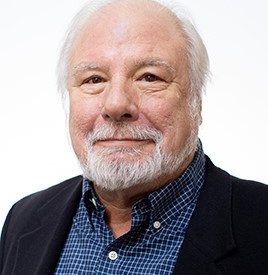
Dr. Michael Beattie, PhD, has recently completed his term on the Praxis Board of Directors, where he also served as the Chair of Praxis Advisory Committee (PAC) while also working as the Director of research for Brain and Spinal Injury Center at University of California, San Francisco (UCSF) and a professor at Department of Neurological Surgery. As he begins his retirement and starts a new chapter with his life with his wife and research partner, Dr. Jacqueline Bresnahan, we thank him for his important contributions to Praxis.


Dr. Michael Beattie understands the power of teamwork.

With an academic CV that includes being the founding chair of the Department of Neuroscience for Ohio State University, working as the Co-Director and Director of Research for the Brain and Spinal Injury Center in the Weill Institute for Neurosciences and Department of Neurological Surgery at UCSF, and authoring more than 140 peer-reviewed publications, he’s lived it.

“Science is at its best when people work together, sharing knowledge for the betterment of humanity,” he says.

Throughout the course of his 50+ year career, Dr. Beattie has experienced this firsthand several times, even having the opportunity to work in partnership with his brother (Dr. Eric Beattie), wife (Dr. Jacqueline Bresnahan), and many other esteemed researchers and scientists.


“I met Jacque in the lab, and we have been together ever since,” he says. “We were Ohio people for many years, working our way up the ranks of Ohio State University, which was one of the first places to have a spinal cord injury research program funded by the National Institute of Health (NIH). It was a really a specific effort to get spinal cord injury recognized as an important research area by NIH, and something we are incredibly proud of.”


Dr. Beattie’s initial research focused on recovery of function from cognitive brain damage. While at Ohio State, this work involved research around how different molecules could potentially regulate the immune response to spinal cord injury (SCI). One aspect of this involved investigating TNF alpha, a natural immune system molecule that mediates inflammation Coincidentally, his younger brother was doing a postdoc at Stanford University on synaptic transmission and cultures of hippocampal neurons at the time.

“We decided to try to share notes and work together,” Dr. Beattie says. “The result was radical, and we discovered that TNF alpha altered the way that the neurons communicate.”

This discovery led to research that was published in a white paper entitled, “Control of synaptic strength by glial TNFa” and appeared in the journal Science in 2002 (E. Beattie et al, vol 295, no. 5563, pp 2282-2285). It also initiated a new avenue of research focused on how immune molecules change the body’s internal response to injury.

“My brother’s research supported a “repair” theme that Jacque and I had been focused on,” says Dr. Beattie. “The only way you can make real change in science is by sharing learnings and insights. This sometimes involves compromising, and giving up your ego, but the reward of improved health outcomes is worth it.”

In 2006, Drs Beattie and Bresnahan had an opportunity to relocate to San Francisco to join a group called the Brain and Spinal Injury Center at San Francisco General Hospital (SFGH), which boasts one of the nation’s premier trauma centers. This center is known for its clinical research in both SCI and traumatic brain injury (TBI), and runs parallel programs called TRACK-SCI and TRACK-TBI. Thousands of car crash, sports injury and other patients with spinal cord injuries are directed to the SFGH trauma center because of the specialization it offers. The opportunity to take basic biology and work towards benefits that could be translated into human spinal cord injury practice appealed to the husband-and-wife team, so they moved to start a new exciting chapter of work, which led to Dr. Beattie becoming the principal investigator on TRACK-SCI.

When it comes to spinal cord injury, initial care can set the stage for recovery. Ironically, it is the body’s own attempt to heal itself that can worsen a spinal cord injury by impeding signals between the nerves and brain. At SFGH, Drs Beattie and Bresnahan’s goal was to discover ways to save some nerve function, limiting paralysis, and considerably improving the quality of life as a result. This work led them to become the recipients of the 2012 Reeve-Irvine Research medal for excellence in SCI research.

Excellence in science has been defined as making discoveries, publishing them in important journals and receiving prestigious recognitions. Dr. Beattie expands this definition by adding effective collaboration, attributing his work as a board member for Praxis Spinal Cord Institute to increasing his understanding of how powerful true collaboration can be.
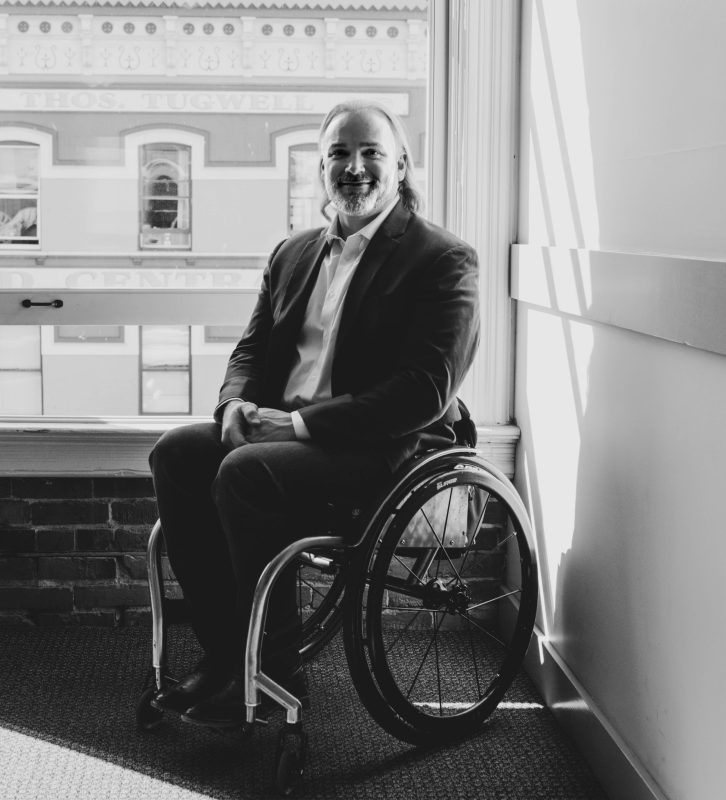




“The work that Praxis does to pull everyone working in spinal cord research together under a collective goal of improving the lives of persons with spinal cord injury is inspiring. By everyone I mean gathering input from clinical teams, researchers, and persons with lived experience, among many others,” Dr. Beattie says, adding that Praxis has pioneered a way of getting clinical data into a registry that is accessible and findable for all.


Dr. Beattie served on the Board from 2017, recently stepping down in the Fall of 2024 as part of his retirement planning. He and Dr. Bresnahan are now embarking on a new type of project, a home renovation.

“We bought a place a few years back on the coast of California and are remodelling it with the help of our daughters, who are both artists in different disciplines and have been using it for workshops. Wouldn’t it be great to create a space that brings together science, art and music?” he says, adding that this has become a new family goal.

And while Dr. Beattie may be passing the research torch on, he still talks enthusiastically about the research and work being done around SCI.

“Progress in research can’t be measured by time. I tell anyone entering the field of spinal cord injury research to carry on and not give up. We are seeing improved outcomes in the clinic every day. Focus should always be on progress; results will come with that.”

To Learn More, Visit Praxis News.


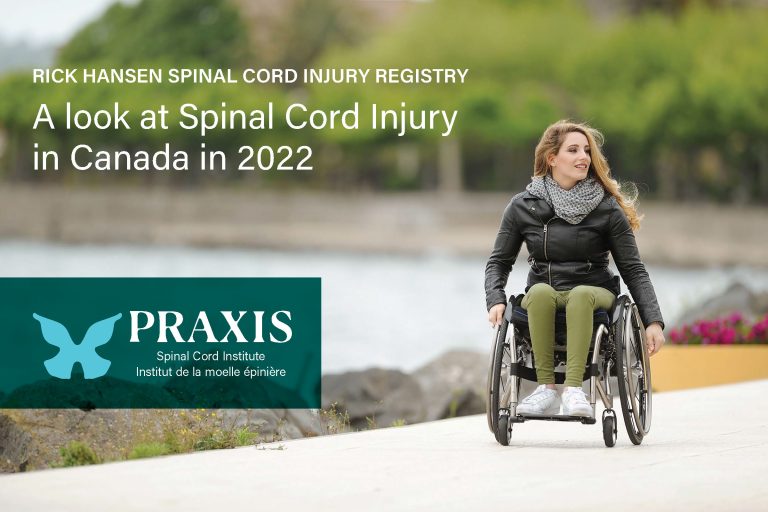
Published in 2024, The RHSCIR 2022 Annual Report is a detailed look at clinical and demographic data collected from 745 tSCI and 522 ntSCI new RHSCIR participants. RHSCIR captures 60-70% of all acute tSCI in Canada when compared to other national data sources; in this report, you will find information about the type of injury, patient demographics, care pathway, length of hospital stay, secondary complications and social impacts after spinal cord injury.

We welcome feedback or questions on any aspect of this report. Please contact us at RHSCIR@praxisinstitute.org.

RHSCIR continues to connect clinicians, researchers, health care administrators and people living with SCI in order to facilitate the translation of research into clinical practice, and promote evidence-based practices to improve outcomes for those living with SCI. As we move forward, RHSCIR will keep evolving to ensure it facilitates world class research, promotes excellence in care and meets the needs of people living with SCI.

–> DOWNLOAD REPORT


Ben Almond has recently completed his term on the Praxis Board of Directors, where his leadership and vision made a lasting impact. As he embarks on an exciting new professional chapter, we thank him for his invaluable contributions to Praxis. Ben’s guidance has been instrumental in advancing our mission, and we wish him success in taking on new challenges and providing leadership in the next phase of his life.


To Ben Almond, it’s ability over disability.

While the way you do something may change, being able to accomplish it shouldn’t.In 2005, a downhill mountain biking accident gave this new meaning to Ben when he sustained a T8 spinal cord injury that left him paralyzed from the waist down.

“In that moment, a new world was presented to me. Simple things like stairs, curbs, the top shelf, and ice in the winter became challenges – and I felt very exposed,” he says. “I had to redefine resilience, look for solutions differently, and come to the realization that my wheelchair is a tool to enable success.”

According to research from the World Health Organization, around 16 per cent of the world’s population (which is more than one billion people) are living with a disability. In Canada, the 2022 Canadian Survey on Disability highlights that 27 per cent of people, aged 15 years and older, are living with more than one disability. From 2017 to 2022, this increased by five per cent, from 6.2 million to 8 million people.

“The reality is that most people will experience a disability at some point in their lives,” says Ben, who has recently finished a six-year term serving on the Praxis Spinal Cord Institute Board. “This, combined with our aging population, is creating an unbearable load on our health care system.”


Ben believes that greater health equity can be achieved if we focus on the commonalities of disabilities, rather than siloed concerns. For example, a curb cut makes streets accessible for wheelchair users, and it also improves mobility and lessens challenges for anyone pushing a stroller, riding a scooter or using a walker or white cane.

“When we create solutions for those facing the most significant barriers, we all benefit,” he says. “The work at Praxis is important because it enables collaboration across the global spinal cord injury community to accelerate research, share learnings and best practices, reduce costs and ultimately improve the lives of those living with spinal cord injury. While this work is inspired by a mission to create a world without paralysis, it is truly valuable to anyone who experiences mobility issues.”

“Praxis is an accelerator for spinal cord injury (SCI) research. SCI is a difficult area for researchers as there is simply not enough data available. Praxis facilitates connection between those doing the work to further it and facilitates pathways for innovation for the most promising technology developments in the space,” adds Ben. “When you look at the way someone is treated with an acute spinal cord injury today, it’s drastically different than my experience 20 years ago. Praxis has played a big part in this.”

Ben’s professional background encompasses several leadership roles for large international companies focused on sustainable long-term energy solutions. As a highly accomplished CEO and Top 40 Under 40 executive, he credits his professional success to the breadth of his experiences. While he first questioned the value he could bring to the Praxis Board, he quickly came to realize how his lived experience and business acumen could strengthen and support the important work being done within the field.


“Life with a wheelchair has taught me to think three steps ahead, anticipate obstacles and focus on solutions,” he says. “While there is a part of me that would love to have physically walked away from my accident, it has shaped who I am today. Diversity of experience is a business strength; strong teams are made up of people who bring different perspectives and experiences.”


Having witnessed this firsthand, Ben is now embarking on a new professional chapter with the recent launch of BISCO Solutions, a strategic advisory organization that provides leadership support and business coaching to help leaders tackle challenges and unlock their full potential.

BISCO is rooted in research from the Corporate Executive Research Board (CERB) that highlights how more than 50 per cent of newly appointed executives fail within the first 18 months because they don’t receive the coaching and support required to be successful in a new leadership role. This leadership turbulence and change can immensely impact an entire organization, creating low company morale, reduced productivity and retention issues.

“Setting people up for success means arming them with the right level of support so they can thrive. Through BISCO, I want to help people redefine the possible,” Ben says, adding, how his new company enables leaders and businesses to grow through transparency, trust and a shared understanding of clearly communicated goals.

And as with many elements in his life, Ben’s measure of success for his new business endeavour has evolved.

“I believe success is rooted in people and community. If we are motivated to keep people happy, fulfilled and engaged in their roles, they will go the extra mile to deliver on key success metrics, whether it’s profitability or schedule, for example,” he says, adding that it’s possible to achieve traditional success by focussing more on nurturing positive and supportive working cultures. “We do a better job when we feel valued and recognized for the work we are doing.”

This applies to him as well.

“I’m being much more thoughtful these days around finding the things that fill my cup and realizing that when I’m focused on those things, I’m the best version of me, which in turn benefits the teams I am a part of too.”


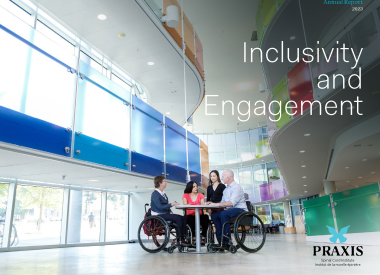
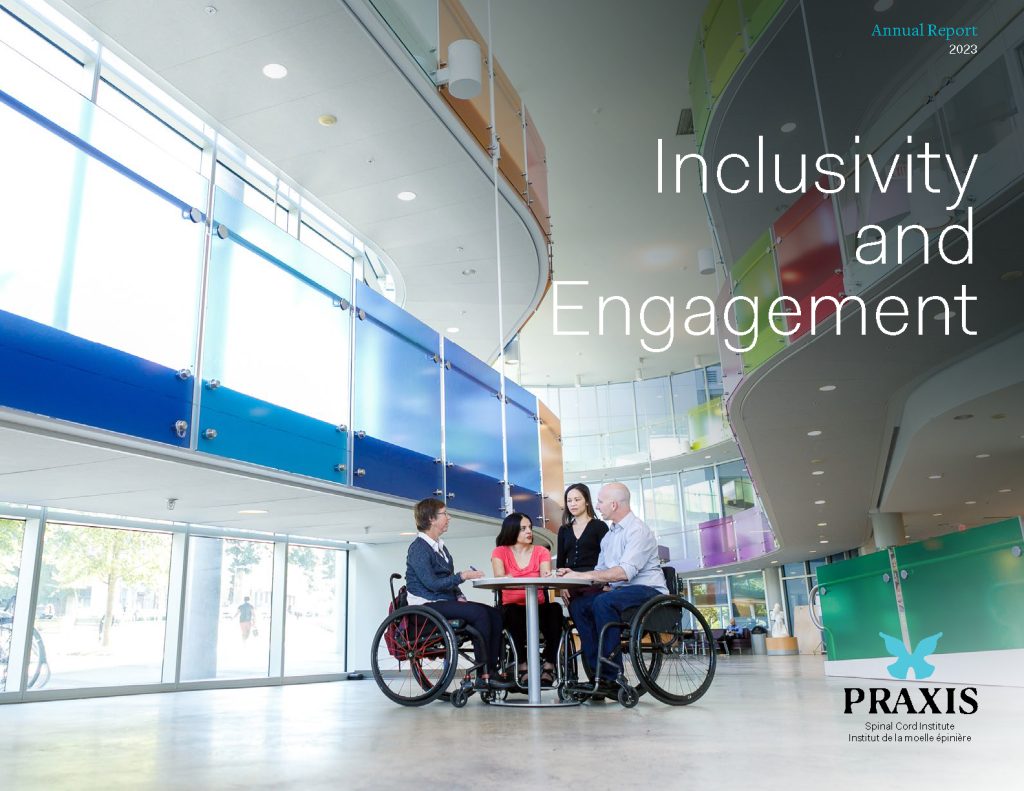
We are pleased to share the 2023 Praxis Annual Report, highlighting our commitment to Inclusivity and Engagement. By prioritizing inclusivity, we ensure that voices from the spinal cord injury (SCI) community are heard, while engagement with experts, PLEX mentorship, and innovative initiatives drives meaningful impact. This report provides an overview of our work in SCI research, innovation, and care, featuring stories that showcase how inclusivity and engagement strengthen communities, fuel advocacy, and shape our priorities.

The report is now available in both English and French.
Praxis acknowledges that Indigenous people with SCI experience many unique issues and barriers, from diagnosis and medical care to support within the community. These issues are frequently unseen, unrecognized and unsupported by consultation, affirmative action, inclusion or respect for cultural and traditional ways of being.
Within our EDI commitment and ongoing Indigenous initiatives, we seek not only to counter systemic ableism but also tackle the systemic racism that is the ongoing legacy of colonial oppression of Indigenous communities. This includes decolonizing our research process, embracing the right of First Nations for self-determination in health and research priorities, respecting Indigenous ways of knowing, and ensuring equitable access to SCI care, research methods, funding, data, and innovation.
In full consultation with the Indigenous SCI community and researchers, our EDI commitment seeks to focus priorities on research, care and innovation that are meaningful to Indigenous people with SCI. Praxis will continue to listen and engage with Indigenous communities to support their priorities in research and care.
This year marks the 20th anniversary of the Rick Hansen Spinal Cord Injury Registry (RHSCIR), which has made remarkable progress and accomplishments in the field of spinal cord injury research and care. As the registry has grown over the years, it now includes 30 sites across Canada. It has contributed to the creation of a strong national network that aims to improve the lives of those with spinal cord injuries.

We are pleased to announce that the Praxis Spinal Cord Institute, in collaboration with HSO Standards, is proud to support the CAN/HSO S3402:2024 – Integrated People-Centred Spinal Cord Injury Rehabilitation Program.


The new standard consolidates two previous HSO standards:


  • HSO S3401:2018 (E) Spinal Cord Injury Acute Services

  • HSO S3402:2018 (E) Spinal Cord Injury Rehabilitation Services


The content of this standard is structured into the following sections:


  1. Integrating the SCI Rehabilitation Program Across the Continuum of Care

  2. Upholding People-Centred Care

  3. Ensuring Comprehensive Assessments

  4. Co-designing the Individualized Care Plan

  5. Enabling a Healthy and Competent Workforce

  6. Promoting Continuous Quality Improvement


SCOPE:


Purpose


This standard provides organizational leaders, teams, partner organizations, and system partners working together in an SCI rehabilitation program with guidance on the policies, procedures, and practices that support the delivery of integrated safe, reliable, high-quality, people-centred care across the SCI rehabilitation continuum of care.


It does not prescribe the use of a particular approach or treatment, but rather focuses on how a comprehensive, continuous, and integrated SCI rehabilitation program can meet the needs of people living with SCI who receive rehabilitation services in health, social care, and community care settings, as well as their designated support people.


Applicability


This standard applies to organizational leaders, teams, partner organizations, and system partners working in health and social services organizations that provide care in an integrated SCI rehabilitation program across the SCI rehabilitation continuum of care.


The applicability of this standard is people of any age who experience an SCI.


Access your copy for free here:
https://store.healthstandards.org/products/integrated-people-centred-spinal-cord-injury-rehabilitation-program-can-hso-s3402-2024-e


About the Standard:
https://healthstandards.org/files/HSO_Spinal-Cord-Injury-Rehabilitation-Program-Client-Information-Sheet_ENG_v1-1.pdf

For us at Praxis Spinal Cord Institute, impact only happens when we improve the quality of health for people living with spinal cord injury (PLEX) and the spinal cord injury (SCI) community as a whole. During 2023, we’ve focused on collaboration to drive impact. Through integrating PLEX collaboration Praxis is a hub for SCI research, innovation and excellence on projects that make meaningful change.