The neural earbuds are equipped with powerful sensors that pick up facial micro-gestures, changes in air pressure, and head position. Described by Naqi's inventor Dave Segal as “a safe, noninvasive, universal, invisible, and silent command and control system”, they are equipped with an array of sensors that can pick up subtle facial movements including eye blinks or turning the head. These translate into control signals for digital devices such as smart-home tech, wheelchairs as well as augmented reality.
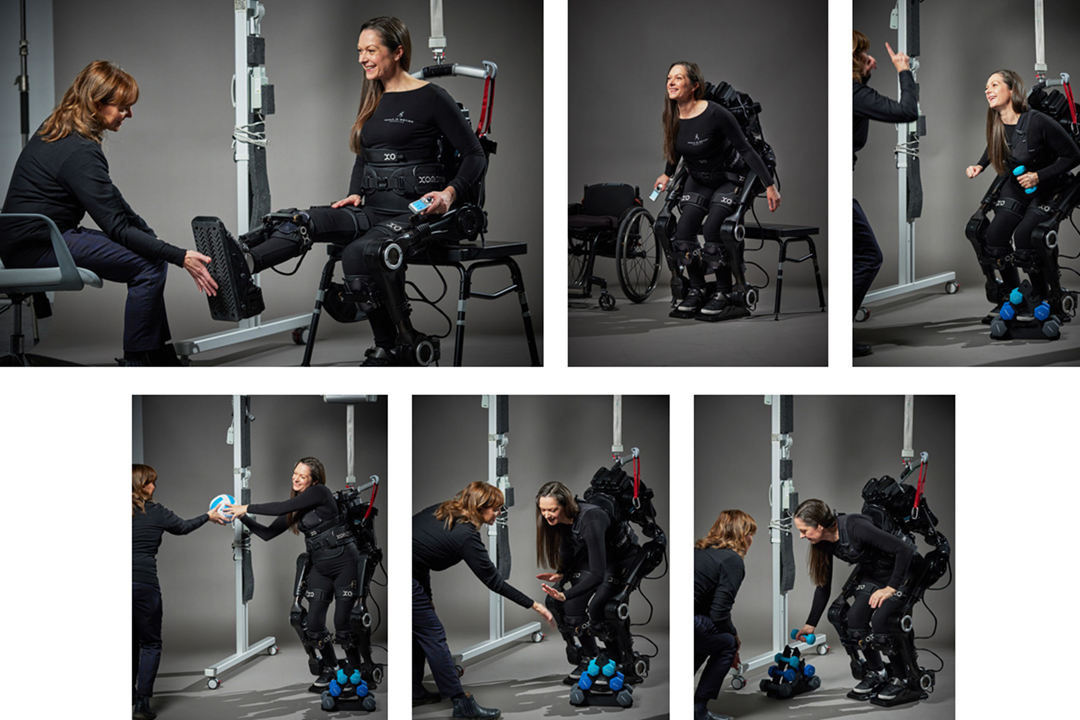
B.C.-based Human in Motion Robotics, a Praxis SCI Accelerate program alum, is developing the next generation of self-balancing exoskeletons to deliver mobility and independence for people following spinal cord injury.
Improved patient outcomes are being delivered by the Standing and Walking Assessment Tool (SWAT), which helps health practitioners target therapies to help those with incomplete SCI.
When clinicians follow best practices, people with SCI retain more physical functionality, emotional wellbeing, and autonomy; this is critical because retaining function means that people face fewer obstacles to independence and debilitating secondary health complications. In turn they are successful in returning to family and the community and achieving goals such as independence and walking. The Can-SCIP Coach App provides relevant clinical guidelines tailored to the person’s injury, sex, and phase of care, and brings best practices in SCI care to the clinician’s fingertips.
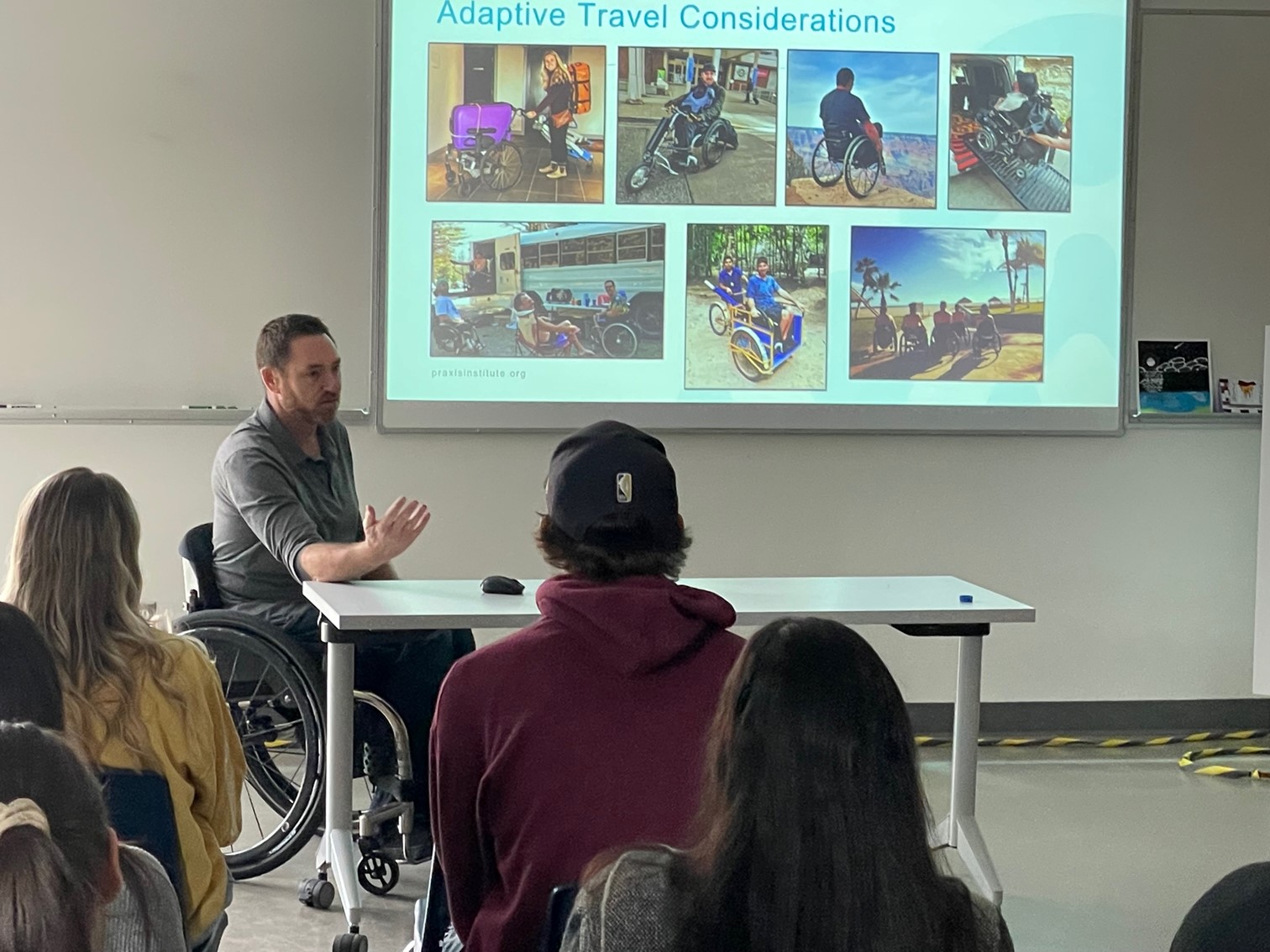
Our first SCI Health Summit brought together SCI clinicians, people with lived experience of SCI (PLEX), and other SCI community stakeholders to explore how to make SCI care accessible and improve quality of life post injury. Speakers, PLEX panelists and the audience shared personal experience in facilitating knowledge exchange and bringing best practices into the community.
Congratulations to Team Specifix - Jessica Jenkins, Siobhan Wilson, Jaspreet Randhawa and Alex Bakfrom the University of Toronto - who won the 2022 Praxis SCI Ideation Challenge. Their innovation for monitoring bladder health in people with spinal cord injury earned a $25,000 grant.
The ProACTIVE toolkit was developed with support from Praxis with input from more than 300 members of the SCI community in B.C. to change the game on activity. Physiotherapists and researchers from UBC and UBC Okanagan developed the toolkit to guide exercise done during rehabilitation and after returning to the community.
Praxis Spinal Cord Institute support and outreach for spinal cord stimulation (SCS) research across Canada is helping to raise awareness for this exciting new treatment in spinal cord injury (SCI). Grant funding, engagement with people with lived experience (PLEX), an SCS research hub, commercialization mentoring, and literature reviews all help to push opportunities for SCS through research and into the hands of users.
Praxis BC interior BC outreach brings best practices for SCI care to remote and rural practitioners. Lived perspectives boost local SCI care.